
● Safety Tips & Resources
Fire Safety
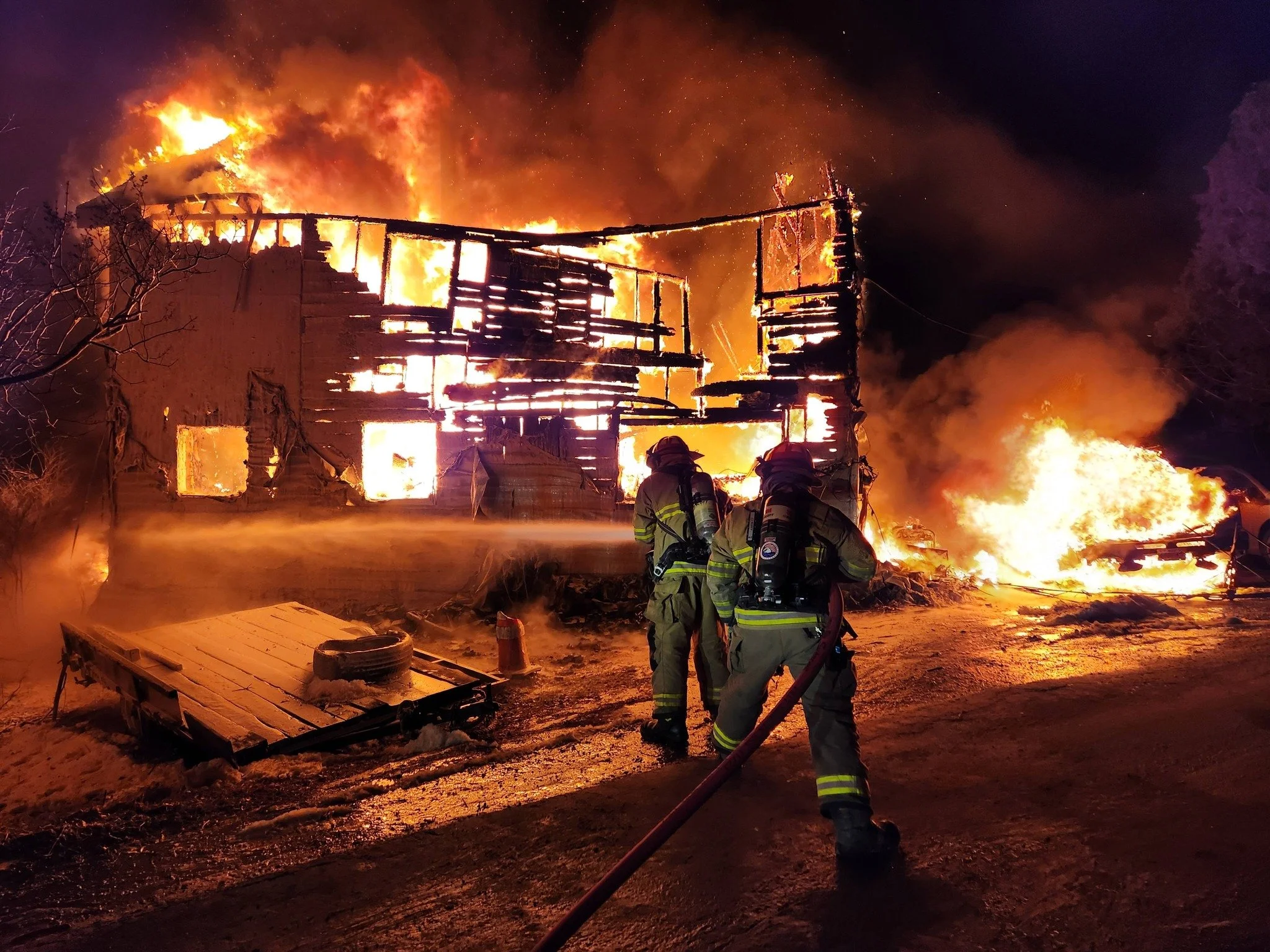
Fire safety at home is crucial for protecting lives and property. Did you know that if a fire starts in your home you may have as little as two minutes to escape? During a fire, early warning from a working smoke alarm plus a fire escape plan that has been practiced regularly can save lives.
GET OUT OF THE HOUSE!
STAY OUT!
ALWAYS CALL 9-1-1!
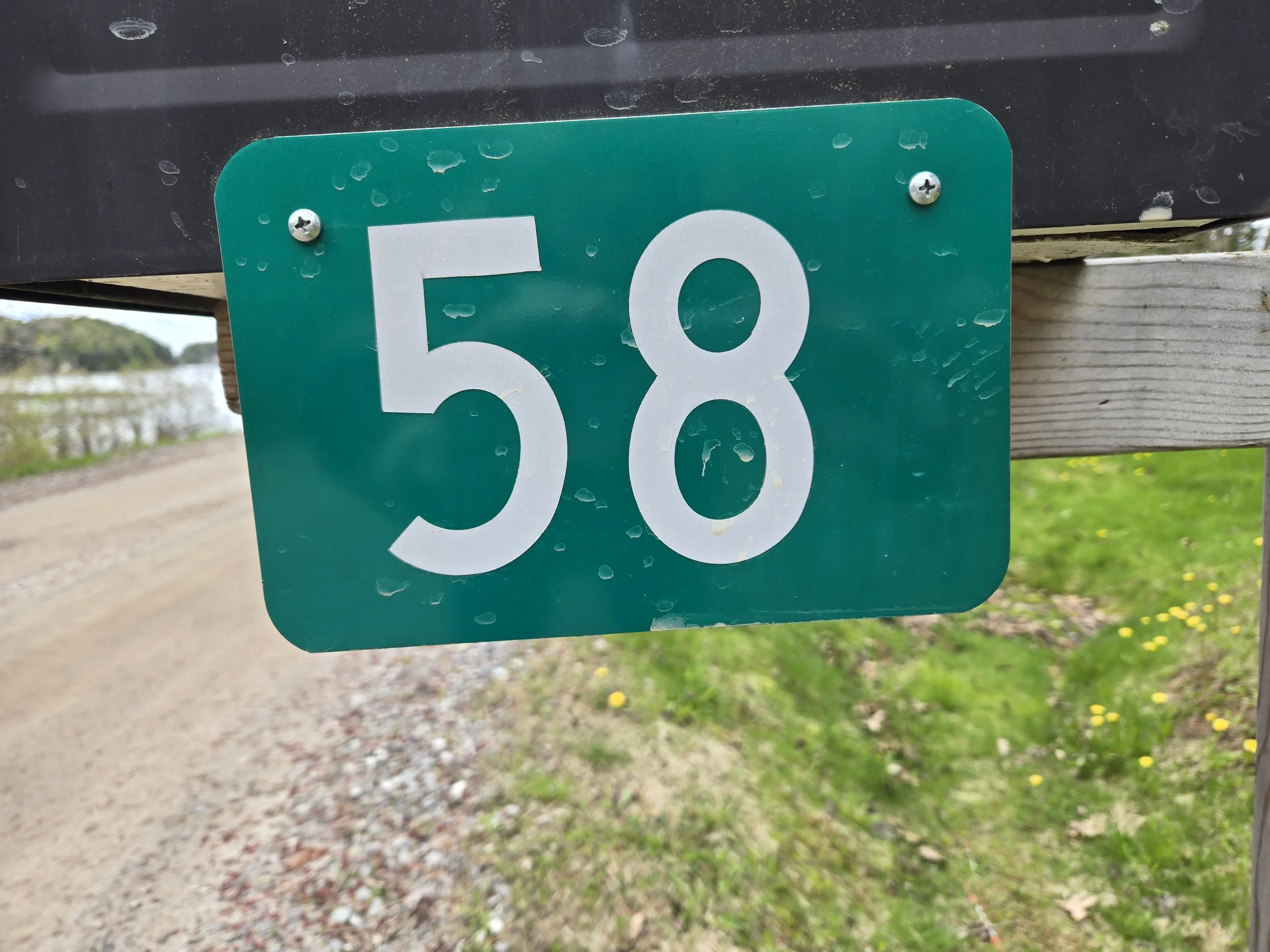
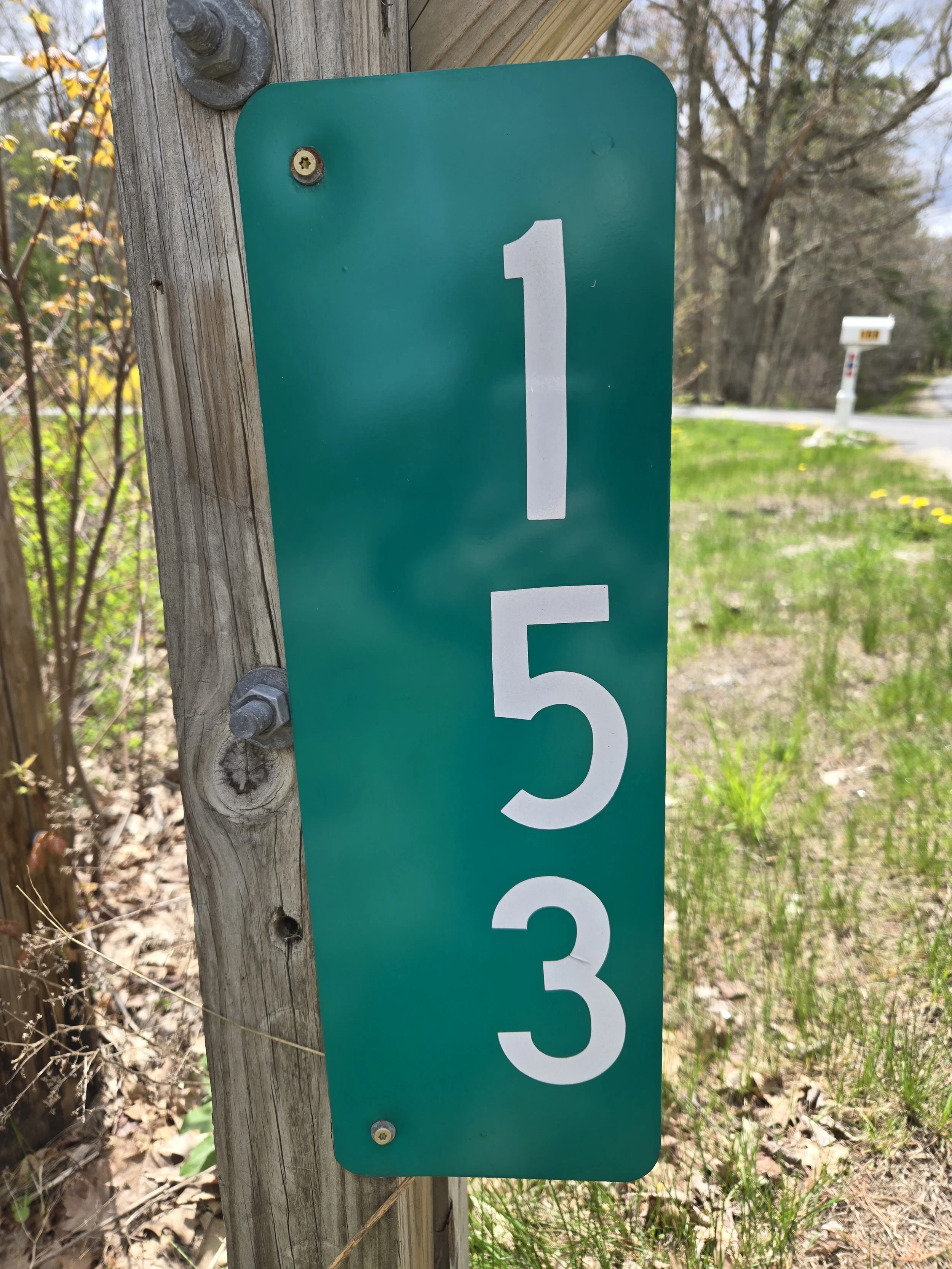
Make sure your house number is easily readable from the street, even at night.
Don’t risk becoming a hero. If a fire breaks out, your top priority is getting yourself and your family out safely.
fire safety Guidelines
Can we see your house numbers? This is key for quick location in an emergency.
Follow these guidelines:
If your house is less than 50 feet from the road, the number should be visible for approaching vehicles
If your house if more than 50 feet from the road, the number should be displayed next to the drive leading to the residence
The numbers should be at least 4 inches high, reflectorized, and in contrasting color to the background they are on
Numbers should be between 42 inches and 72 inches above the ground
Please remove any numbers that are not in accordance with the rules above
Residents of Harpswell can get a free, highly visible sign giving their house number.
Contact mlongley@town.harpswell.me.us for more information.
Installation assistance may be available if needed.
They're free!
1.) VISIBLE HOUSE ADDRESS NUMBERS
2.) smoke alarms
Follow these guidelines:
Install the right number of smoke alarms. Install smoke alarms on every level of your home, including inside and outside of all bedrooms.
Interconnect smoke alarms so when one sounds, they all sound.
Install alert devices, like strobe lights or bed shakers, for those who are deaf or hard of hearing.
Test smoke alarms every single month. A helpful reminder could be to test them on the first day of each month.
If your smoke or CO alarm does not have a 10-year sealed battery, replace the batteries when you change your clock every spring and fall.
Replace any smoke alarm that is over ten years old, as their effectiveness diminishes.
Teach children what smoke alarms sound like and what to do when they hear one.
3.) Escape Planning
Follow these guidelines:
Create and practice a home fire escape plan with two ways out of each room.
Ensure windows and doors can be easily opened and screens can be quickly removed.
Designate a safe meeting place outside for your family away from the house. Consider a neighbor’s yard or a recognizable landmark like a big tree.
Practice the escape plan at least twice a year. Conduct drills during the day and at night to simulate a fire occurring in darkness.
Establish a family emergency communications plan and ensure that all household members know who to contact if they cannot find one another.
Teach household members to STOP, DROP and ROLL if their clothes catch on fire.
From the Red Cross: This printable worksheet will help you plan and practice home firedrills.
4.) SPACE HEATERS, FIREPLACES, WOOD STOVES
Follow these guidelines:
Install a carbon monoxide alarm in a central location outside each separate sleeping area. Download the Carbon Monoxide Poisoning Fact Sheet.
Make sure your home heating sources are clean and in working order. Many home fires are started by poorly maintained furnaces or stoves, cracked or rusted furnace parts, or chimneys with creosote buildup. Download the Home Heating Fires Fact Sheet.
Use space heaters on flat, stable surfaces to prevent tipping.
Plug space heaters directly into wall outlets, not power strips.
Use only the type of fuel specified by the manufacturer for fuel-burning space heaters.
Keep a “kid-free zone” around open fires and space heaters.
Use kerosene heaters only if permitted by law. Refuel kerosene heaters only outdoors and after they have cooled.
Keep fireplaces screened and chimneys clean.
Use only seasoned wood in fireplaces to reduce creosote buildup.
Dispose of ashes in metal containers to prevent accidental fires.
5.) Safety while cooking
Follow these guidelines:
Never leave cooking food unattended, especially when frying, grilling, or broiling. Stay focused! Understanding gas stove safety rules can help prevent kitchen fires caused by unattended or improperly handled stoves.
If you don’t already have one, buy a fire extinguisher to keep within easy reach should something ignite while you’re cooking.
Learn how to use your fire extinguisher properly. Remember the acronym PASS (Pull, Aim, Squeeze, Sweep). Know that a fire extinguisher is for small, contained fires. If a fire is spreading, evacuate immediately.
Keep a “kid-free” zone three feet around the kitchen range.
If grease catches fire, DO NOT ADD WATER! Slide a lid over the pan to smother flames and turn off the heat.
Turn pot handles toward the back of the stove to prevent spills.
Keep flammable items like oven mitts, wooden utensils, and dish towels away from the stovetop.
Never disable a smoke alarm while cooking.
Clean the oven and stovetop regularly to prevent grease and dust buildup.
Unplug countertop appliances when not in use.
Ensure GFCI receptacles are installed and tested in the kitchen to prevent electrical shocks.
Always place candles on secure, stable surfaces out of reach of children and pets.
Charcoal or gas grills should be at least 10 feet from your home and placed away from any overhead branches or structures.
6.) Electrical Considerations
Follow these guidelines:
Ensure all electrical work is done by a qualified electrician
Check electrical wiring in your home:
Fix or replace frayed extension cords, exposed wires, or loose plugs.
Make sure wiring is not under rugs, attached by nails, or in high traffic areas.
Make sure electrical outlets have cover plates and no exposed wiring.
Avoid overloading outlets or extension cords.
Purchase only appliances and electrical devices (including space heaters) that bear the label of an independent testing laboratory.
Store combustible materials in open areas away from heat sources. Place rags used to apply flammable household chemicals and materials in metal containers with tight-fitting lids away from boiler rooms or furnaces.
Keep exits clear of obstructions to ensure quick evacuation.
Consider installing a residential fire sprinkler system for added protection.
Avoid using frayed or damaged extension cords.
Keep dryer vents clean and free of lint to prevent fires.
7.) Other helpful tips
Follow these dos and don’ts:
DO keep items that can catch on fire at least three feet away from anything that gets hot, such as space heaters.
Smoking materials are the leading cause of residential fire deaths in the United States. So if you smoke:
DO take precautions such as smoke outside, choose fire-safe cigarettes, use deep, sturdy ashtrays and douse cigarette and cigar butts with water before disposal.
DON'T ever smoke in bed, when drowsy or medicated, or if anyone in the home is using oxygen.
DO talk to children regularly about the dangers of fire, matches and lighters and keep them out of reach.
DO turn portable heaters off when you leave the room or go to sleep.
DO use flashlights when the power is out, not candles.
DON'T leave a burning candle unattended, even for a minute.
Keep candles at least 12 inches away from anything that can burn.
Use sturdy, heat-resistant candle holders that won’t tip over easily.
Trim candle wicks to 1/4 inch before lighting.
Do not burn candles all the way down; extinguish before reaching the holder.
Use battery-operated flameless candles as a safer alternative.
Extinguish candles properly using a snuffer or lid to prevent wax splatters.
8.) Additional resources
10 Fire Safety Tips at Home
https://www.hseblog.com/10-fire-safety-tips-at-home/
Fire Safety Tips for the Home – The Ultimate List
https://www.firetrainingtoolbox.com/home-fire-safety-tips/
Fire Prevention and Community Risk Reduction
https://www.usfa.fema.gov/prevention/
Home Fires
https://www.ready.gov/home-fires
Home Fire Safety
http://www.nfpa.org/public-education/by-topic/safety-in-the-home
Join the Home Fire Campaign
http://www.redcross.org/get-help/prepare-for-emergencies/types-of-emergencies/fire/prevent-home-fire